The Foundation Problem: You’re Building on Quicksand
After fifteen years watching restaurants crash and burn over beverage programs that looked impressive on paper but crumbled in practice, I can tell you the problem starts at the very beginning. Most operators treat beverage development like an afterthought, a quick wine list thrown together by whoever has a sommelier certificate, or a cocktail menu copied from the latest trendy spot across town. This approach is guaranteed failure.
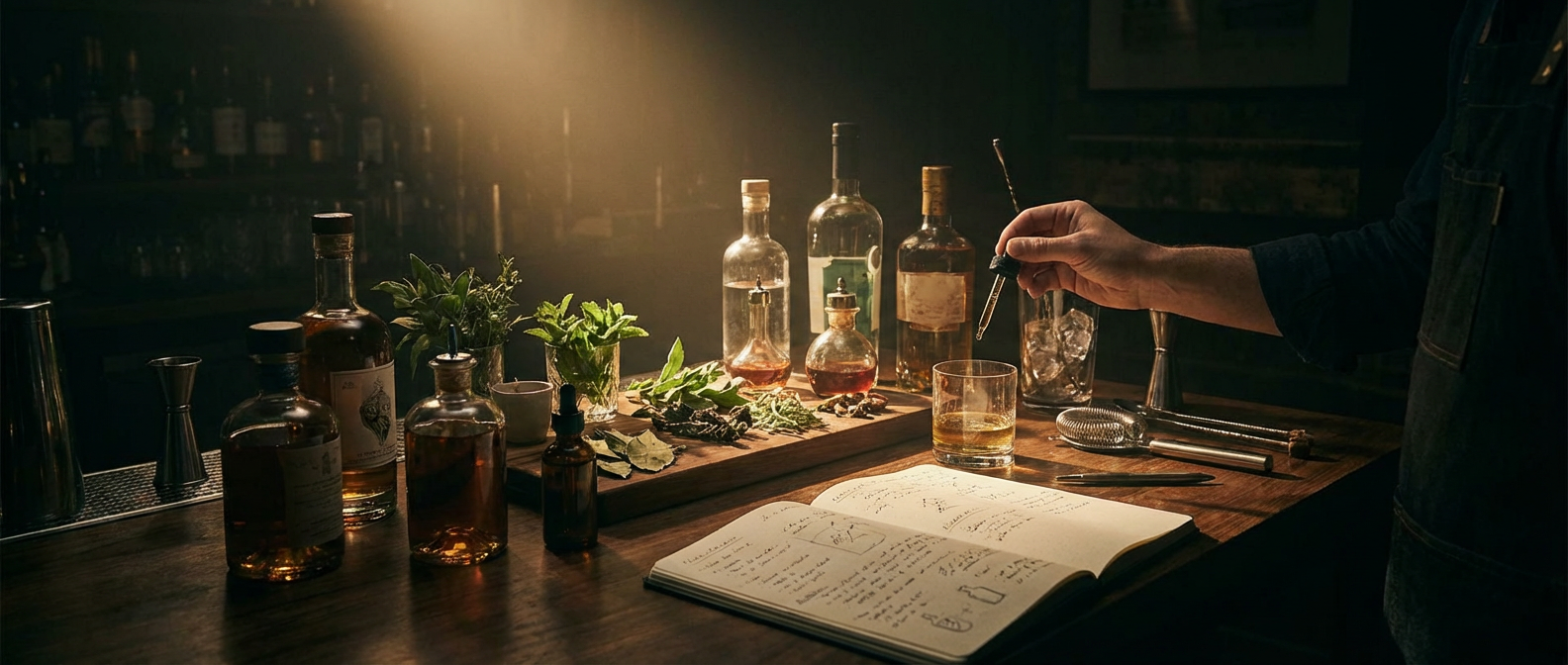
A proper beverage program begins with your kitchen, not your bar. I’ve seen too many places create elaborate cocktail lists that have zero connection to their food philosophy. If you’re running a farm-to-table operation but your bar is pouring bottom-shelf spirits with artificial mixers, you’ve already lost. The beverage program must amplify your culinary voice, not compete with it or, worse, contradict it entirely.
Your beverage director needs to understand acidity, tannins, and flavor balance the same way your sous chef understands protein cookery. When I develop a beverage program, I start by tasting every dish on the menu. Not once, but multiple times, at different temperatures, with different preparations. Only then do I begin building drinks and selecting wines that create genuine synergy rather than accidental harmony.

The Costing Reality Check: Math Doesn’t Lie
Here’s where most beverage programs die a slow, expensive death: the numbers don’t work because nobody bothered to do the math properly. I’ve audited dozens of failing programs where operators were shocked to discover their signature cocktails were costing them money with every pour. A $14 cocktail that costs $6 to make isn’t profitable. It’s a donation to your customers.
Proper beverage costing means tracking every ingredient down to the garnish. That expressed orange peel costs money. The ice program costs money. The time your bartender spends clarifying that craft cocktail costs serious money. I calculate total cost per drink including labor, overhead allocation, and waste factor. Most places skip the waste factor entirely, then wonder why their theoretical food costs never match reality.
Wine programs require even more discipline. I’ve seen restaurants blow their entire beverage budget on a few trophy bottles that never sell, while their mid-range selections gather dust because they’re poorly chosen and overpriced. Your wine list should generate 65-70% gross profit minimum, but only if you’re buying smart and pricing strategically. That means understanding your customer base well enough to know the difference between what they’ll order and what they’ll Instagram.
Staff Training: The Make-or-Break Moment
The most elegant beverage program in the world means nothing if your service staff can’t sell it properly. I’ve watched servers destroy carefully crafted wine pairings by describing a Burgundian Pinot Noir as “smooth and fruity.” Technically accurate but completely useless to a guest trying to make a decision.
Real training goes beyond memorizing tasting notes. Your staff needs to understand the logic behind each selection, the story that connects beverage to food, and most importantly, how to read a table and make appropriate recommendations. I require my teams to taste every wine and cocktail on our menu, but more critically, I train them to taste analytically. What does this drink accomplish? How does it change when paired with different dishes? When would you not recommend it?
The best beverage programs create a feedback loop between service and bar staff. Your servers should be reporting which pairings work, which don’t, and what customers are actually saying about your selections. This intelligence drives menu evolution and keeps your program relevant instead of static. Too many places treat their beverage menu like a monument instead of a living document.
Seasonal Evolution: Beyond the Obvious
Seasonal beverage programming requires more sophistication than swapping cranberry for watermelon and calling it spring. Real seasonal development means understanding how your customers’ palates change throughout the year, how ingredient availability affects both cost and quality, and how your dining room’s energy shifts with the calendar.
Summer doesn’t just mean lighter wines and more gin drinks. It means accounting for how heat affects your guests’ taste preferences, how increased volume impacts your prep time and storage capacity, and how tourist influx might change your demographic mix. I’ve seen restaurants fail spectacularly because they designed their summer program around locals who disappear in July, leaving them with a menu that doesn’t appeal to their actual summer clientele.
Winter programming presents different challenges. Your customers want comfort, but not necessarily the heavy, obvious choices. A well-structured winter beverage program anticipates the desire for warmth and richness while avoiding the trap of making everything taste like Christmas. I focus on developing drinks and wine selections that provide psychological warmth, things that make customers want to linger and order another round rather than rushing back to their cars.
The Long Game: Building Sustainable Success
The difference between a beverage program that survives and one that thrives comes down to sustainability: financial, operational, and creative. You need systems that work when your star bartender calls in sick, pricing that maintains profitability during slow periods, and selection criteria that evolve with your market without losing your core identity.
I’ve learned that the most successful beverage programs aren’t necessarily the most creative or comprehensive. They’re the most thoughtfully executed. They understand their limitations and work within them intelligently. They prioritize consistency over novelty and profitability over prestige. They build customer loyalty through reliability rather than surprise.
The real test of any beverage program isn’t the opening night review or the Instagram buzz. It’s the numbers six months later and the repeat customers who specifically request your wine recommendations. That’s when you know you’ve built something that actually works rather than something that just looks good on paper.