Why I Think Sake Deserves the Same Respect as Wine

Every time I pour sake for friends who’ve never tasted it, I catch that little flash of uncertainty in their eyes. It’s not that they’re expecting something awful—they just don’t know where to place it. Is it closer to vodka? Maybe a strange kind of beer? Or something you knock back with a wince? I get it. For decades, sake sat in a weird little corner of the drinking world, mostly ignored or misunderstood outside Japan. But I grew up watching my grandfather run his small kura in Niigata, and these days I teach people how to match sake with everything from triple-cream cheese to dark chocolate. So I’ll say it plainly: this drink deserves the same kind of respect we hand to a well-aged Burgundy. Let me walk you through why.

Traditional sake barrels stacked in a Japanese brewery
Sake barrels, called taru, have been used for centuries to store and transport this delicate brew.

The Artisan Behind Every Bottle

Pop into a winery in Napa or Burgundy and you’d fully expect to meet a vigneron who talks your ear off about slopes, soil, and sun exposure. Sake has that same fierce personality behind it—it’s just hidden behind a curtain of unfamiliar words. The toji, or master brewer, is the heartbeat of any kura. These folks often pour an entire lifetime into chasing one style, much like a winemaker obsessing over the perfect Pinot Noir. My grandfather’s toji, a reserved man named Mr. Sato, would stand in the cold winter mornings tasting the fermenting mash with a look of pure focus. I’d later see that same expression on sommeliers nosing a just-opened vintage.

The technical craft is mind-boggling. Sake fermentation runs on a parallel track—rice starch converts to sugar at the same time yeast turns that sugar into alcohol, all inside a single tank. Grape fermentation starts with sugar already sitting in the fruit, so brewers here have to juggle temperature, moisture, and microbial balance with a level of control that would impress any oenologist. They pick rice varieties the way a winemaker picks clones: Yamada Nishiki for its starchy core, Gohyakumangoku for that clean, almost brittle crispness, Omachi for its muddy, grounded depth. And the polishing ratio—grinding away the outer layers of each grain—shifts the final character as dramatically as new oak does to Chardonnay.

Hands polishing rice grains for sake production
The rice polishing process, or seimai, determines the final flavor profile of the sake.

Terroir in a Glass

Wine people love to talk about terroir—how a particular patch of earth speaks through what you’re drinking. Sake has its own version, even if we don’t use that exact word. A brewery’s water source pretty much sets its personality. Soft water trickling down from Mount Fuji gives you a gentle, almost shy fermentation, while the harder, mineral-heavy water in Hyogo Prefecture pushes the yeast harder, producing a sake that’s drier and more tightly built. Up in Niigata, where my family’s roots are, the brutal winter snow acts like a natural sieve, gifting us water so clean it tastes faintly sweet. That purity lands right in the glass: crisp, clear, and impossibly precise.

Climate nudges things along, too. Cold regions slow fermentation to a crawl, which locks in those delicate fruity esters. Head south to warmer breweries and the styles turn bolder, earthier, a little wilder. Even the local dinner table shapes what ends up in the bottle. Along the Ishikawa coast, where seafood anchors nearly every meal, brewers make sake with a briny, umami-forward profile that practically hums next to raw fish. It’s no different from how a Tuscan Sangiovese feels a little lonely without a plate of pasta nearby.

A Spectrum That Rivals Wine

One thing I hear all the time: “Isn’t all sake pretty much the same? Clear, warm, maybe a bit harsh?” That’s like claiming every red wine tastes identical. The truth is, sake covers an absurd amount of ground. A daiginjo, polished down to 50% or less, can smell like ripe melon, banana, and white blossoms, with a texture so light it almost floats. Meanwhile, an aged koshu swings the other way—caramel, toasted nuts, a sherry-like oxidative funk that catches you off guard. In between, you’ve got junmai styles with a solid rice-driven umami punch, nama unpasteurized sakes that snap like a fresh green apple, and cloudy nigori bottles that taste of coconut and sweet cream.

Temperature adds another twist that wine rarely offers. One sake can be poured chilled, left at room temp, or warmed gently—and each state pulls out a different layer. A nutty, savory junmai might feel earthy straight from the fridge, then bloom into roasted grain and mushroom when you heat it to around 40°C. I’ve served the same bottle three ways at a dinner party, and more than one guest insisted they’d just sampled three totally different drinks.

Two glasses of sake being poured in a tasting setting
Tasting sake side by side reveals the incredible range of aromas and textures within this single category.

Pairing Beyond Sushi

Wine pairing has its rulebooks, its traditions, a whole army of experts. Sake pairing is every bit as deep, but most people shrink it down to a single rule: drink it with Japanese food. That’s a loss, honestly, because sake might be the most flexible drink I know. Its acidity stays low, so it rarely picks a fight with food, and those amino acids—the umami backbone—let it slide up next to dishes that wine often trips over. Tomatoes, artichokes, asparagus? Classic wine-wreckers. Sake takes them in stride.

I once paired a fruity ginjo with seared scallops and a butter sauce, and the match worked so well the chef scribbled down the bottle name before the plates were cleared. A brawny, earthy junmai can stare down a grilled steak just as confidently as any Cabernet. Cheese, which often battles red wine’s tannins, melts right into sake’s roundness and quiet sweetness. Even desserts click: a sparkling sake lifts a fruit tart with a little celebration, and an aged koshu mirrors the burnt-sugar notes in crème brûlée. The options stretch way past what most people imagine, and they deserve the same careful thought we pour into wine pairings.

Why the Disconnect?

So if sake’s this good, why isn’t it sitting at the same table as wine? Some of it’s just history. When sake first landed in the West, it showed up in Japanese restaurants that served it hot and fast, almost as an afterthought. That cheap, rough stuff left people with headaches and a bad taste in their memory. Wine, meanwhile, had centuries of European cultural weight propping up its reputation. Sake also trips over its own vocabulary. Words like junmai, honjozo, and futsushu don’t exactly roll off an English-speaking tongue the way “Cabernet Sauvignon” does. They feel like a barrier, not an invitation.

But the ground is shifting. Small American breweries are now making really good sake from locally grown rice, and top sommeliers are carving out sake sections on their lists. I run classes in Seattle where students walk in curious and leave completely hooked. They realize that cracking open a bottle, pouring for friends, and talking through what they taste feels just as special as any wine ritual. It’s a shared moment, and that’s what makes any drink worth respecting in the first place.

Looking at Sake with Fresh Eyes

I often tell my students to toss out everything they think they know. Instead of measuring sake against wine, I ask them to taste it on its own terms. What’s the aroma doing—is it floral, fruity, or more like toasted grain? How’s the texture—does it feel water-thin or creamy and coating? What happens on the finish—does it wipe clean or leave a savory little echo? These are the same questions we ask of a glass of wine, but the answers belong to sake alone. Approach it with a wide-open mind, and you’ll see you’re not sipping some second-string substitute. You’re drinking something with its own history, its own craft, its own quiet kind of beauty.

My grandfather used to say that sake is a conversation between rice, water, and time. I’d tack on that it’s also a conversation between people—the brewer, the server, and whoever’s holding the cup. Wine showed us how to have that kind of conversation. Now it’s time to pull up another chair and invite sake to the table with the same warmth and curiosity.

Frequently Asked Questions

Is sake always served warm?

Hardly. Cheap sake sometimes gets heated to cover up rough edges, but premium sake is usually served chilled or at room temperature to protect those delicate aromas. A single high-quality bottle can shine at different temperatures, each one waking up a new set of flavors. Play around and see what clicks for you.

How should I store an opened bottle of sake?

Keep it in the fridge with the cap screwed on tight. Sake is more fragile than wine after opening—aim to finish it within a week or two for the cleanest taste. A few aged or sturdier styles might hang on a bit longer, but unlike wine, most sake won’t get better with extra time on your shelf.

Can sake be paired with non-Japanese food?

Without a doubt. Sake’s low acidity, gentle sweetness, and umami depth make it a natural partner for all sorts of cuisines. Give it a shot with creamy pasta, grilled meats, soft cheeses, or even spicy dishes. People are usually stunned by how well it works beyond the sushi counter.

What is the difference between junmai and other types of sake?

Junmai means “pure rice” sake—made from only rice, water, yeast, and koji mold, with no distilled alcohol added. Other categories, like honjozo, include a small dose of brewer’s alcohol to lighten the body and lift the aromatics. Both can be fantastic; it’s a difference in style, not a mark of quality.


A Beginner’s Guide to Understanding Sake Grades

A Beginner’s Guide to Understanding Sake Grades

Walking into a sake shop or scrolling through an online retailer can feel overwhelming. Bottles line the shelves with unfamiliar Japanese terms—Junmai, Ginjo, Daiginjo—and numbers like 40% or 60% printed on the labels. What do these mean? How do they affect the flavor in your cup?

My name is Yuki Tanaka, and I grew up watching my grandfather brew sake in a small kurabu outside of Kyoto. Today, I want to share what I’ve learned about sake grades so you can shop with confidence and enjoy every sip. Understanding sake grades isn’t about memorizing rules—it’s about discovering what styles bring you joy.

Sake bottles displayed on a wooden shelf in traditional Japanese setting

What Determines a Sake Grade?

At the heart of every sake grade lies one number: the seimaibuai (精米歩合), or rice polishing ratio. When rice is harvested, each grain wears an outer layer rich in proteins, lipids, and minerals. These elements can create heavier, sometimes off-flavors during fermentation. By polishing the rice—removing the outer layers—brewers expose the starchy core, which ferments into cleaner, more aromatic sake.

The seimaibuai tells you what percentage of the original rice grain remains after polishing. A label reading “60%” means 40% of each grain was polished away, leaving 60% behind. Lower numbers indicate more polishing, which generally leads to fruitier aromas, lighter bodies, and more refined flavor profiles.

But rice polishing isn’t the whole story. The other key factor is whether jozo alcohol (brewer’s alcohol) has been added. This practice—called aruzo—stretches back centuries and, when done skillfully, can lift delicate aromas and create lighter textures. Sakes without added alcohol carry the word “Junmai” in their name.

The Main Sake Grades Explained

Japan’s sake classification recognizes several official grades. Let’s walk through each one, from everyday bottles to special-occasion pours.

Junmai (純米)

Junmai means “pure rice.” This grade contains only rice, water, yeast, and koji—no added alcohol. The rules changed in 2004, so Junmai no longer has a minimum polishing requirement. That said, most Junmai sake falls between 60% and 70% seimaibuai.

Flavor-wise, Junmai delivers rich, earthy, and umami-driven experiences. Think steamed rice, nuts, dried mushroom, and gentle spice. Junmai pairs beautifully with grilled meats, hearty stews, and aged cheeses. It also warms exceptionally well—try heating it to 45°C (113°F) on a cold evening.

Honjozo (本醸造)

Honjozo requires rice polished to at least 70% seimaibuai, with a small amount of brewer’s alcohol added (capped at 10% of the rice weight by law). That addition lightens the body and lifts aromatics without making the sake taste boozy.

Many sake drinkers reach for Honjozo as their go-to everyday pour. It offers a gentle, clean profile with subtle fruit notes and a smooth finish. Honjozo shines slightly chilled or at room temperature and matches well with sushi, tempura, and light stir-fries.

Close-up of sake being poured into a traditional ceramic cup

Ginjo (吟醸)

Step up the polishing, and you reach Ginjo, with rice milled to at least 60% seimaibuai (no more than 60% remains). The extended polishing allows the yeast to produce fruity esters—think melon, apple, and pear—alongside floral aromatics. Ginjo fermentation happens at lower temperatures over a longer period, coaxing out these delicate fragrance compounds.

Ginjo drinks best chilled. Serve it too warm, and those lovely aromas vanish. Pair it with sashimi, steamed fish, or mild cheeses—foods that won’t overpower the sake’s gentle voice.

Daiginjo (大吟醸)

Daiginjo represents the top tier of polishing: rice milled to 50% seimaibuai or lower. Some ambitious brewers polish down to 35% or even 23%, removing most of the grain and keeping only the pure starch core. This painstaking process yields sake with extraordinary aroma, silky texture, and a finish that lingers like a fond memory.

Daiginjo commands higher prices, and for good reason. The rice loss alone makes production expensive. Consider it a sipping sake—enjoy it on its own or alongside the simplest, freshest ingredients. A slice of sashimi-grade tuna or a piece of fresh mozzarella lets the sake speak for itself.

Junmai Ginjo and Junmai Daiginjo

When you see “Junmai” prefixed to Ginjo or Daiginjo, it means the sake meets the polishing requirements of that grade and contains no added alcohol. Junmai Ginjo (60% seimaibuai or lower) and Junmai Daiginjo (50% or lower) tend to offer slightly more body and rice-driven depth compared to their non-Junmai counterparts, while still showing the aromatic lift of their respective categories.

Choosing between Daiginjo and Junmai Daiginjo often comes down to personal preference. Do you favor maximum fragrance and lightness? Try Daiginjo. Prefer a touch more substance behind those aromas? Reach for Junmai Daiginjo.

Special Designations Beyond the Basic Grades

The official grades above form the backbone of sake classification, but you’ll encounter other terms on bottles worth knowing.

Namazake (生酒)

Namazake is unpasteurized sake. Most sake undergoes pasteurization twice to stabilize it for shelf life. Namazake skips this step, resulting in a fresh, lively, sometimes slightly effervescent drink. It’s typically available only in spring and must be kept refrigerated. Seek it out for an exhilarating taste of the season.

Nigori (濁り)

Nigori sake is coarsely filtered, leaving rice sediment suspended in the bottle. The result looks milky-white and delivers a creamy, sweet, and chunky texture. Give the bottle a gentle shake before pouring to distribute the solids. Nigori works beautifully with spicy Thai dishes, fruit-based desserts, or as a brunch alternative to mimosas.

Koshu (古酒)

Most sake is consumed young, but Koshu is aged—sometimes for decades. Aging transforms the color (turning it amber) and the flavor (adding sherry-like notes, dried fruit, and walnut). Koshu remains a niche category, but adventurous drinkers will find it rewards curiosity, especially alongside rich desserts or bold cheeses.

Assorted sake cups and traditional tokkuri carafe on a dining table

How to Choose the Right Sake for You

Understanding grades gives you a map, but your palate should be the compass. Here are some practical tips for finding bottles you’ll love:

Start with what you enjoy eating. If you love grilled steaks and braised dishes, explore Junmai. Prefer light, delicate fare? Ginjo and Daiginjo will likely suit you better. Craving something refreshing on a summer afternoon? Track down a bottle of Namazake.

Pay attention to the label beyond the grade. Many bottles list tasting notes, recommended serving temperature, and even food pairings. Brewers want you to enjoy their sake, so they often provide helpful guidance right on the packaging.

Don’t assume higher grade means better for every occasion. A Daiginjo at a backyard barbecue might feel wasted, while a solid Honjozo will pair happily with burgers and laughter. Match the sake to the moment.

Talk to your local sake shop. Retailers specializing in sake love sharing knowledge. Tell them what flavors you enjoy—whether that’s fresh apples, toasted nuts, or clean mineral notes—and let them guide you.

For more details on how sake is brewed and how that process shapes flavor, the Nada Sake Guide from one of Japan’s most famous brewing regions offers an excellent overview.

Serving Suggestions by Grade

Temperature changes everything in sake. Here’s a quick reference for getting the most from each grade:

  • Junmai: 40–50°C (warm), room temperature, or slightly chilled
  • Honjozo: Room temperature or slightly chilled; also takes warming well
  • Ginjo: 8–15°C (well chilled); avoid warming
  • Daiginjo: 5–10°C (very chilled); never heat
  • Namazake: 2–5°C (as cold as your fridge allows)
  • Nigori: 5–10°C (chilled)
  • Koshu: Room temperature or slightly warmed

Glassware matters too. While traditional ochoko cups have their place, a white wine glass allows aromatic sakes—especially Ginjo and Daiginjo—to open up beautifully. You wouldn’t drink a fine Burgundy from a thimble, so give your premium sake the same respect.

The Sake World website, founded by sake expert John Gauntner, is another wonderful resource for deepening your understanding of serving traditions and flavor profiles.

Frequently Asked Questions

Does a higher price always mean better sake?

Not necessarily. Price often reflects the rice polishing ratio, production scale, and labor involved. Daiginjo costs more because polishing rice down to 35% or lower means throwing away most of the grain. However, a moderately priced Junmai might bring you more pleasure with a bowl of ramen than an expensive Daiginjo would. Think of price as an indicator of production method, not guaranteed enjoyment.

Can I cook with sake?

Absolutely—but use the right bottle for the job. Standard Junmai and Honjozo work wonderfully in marinades, sauces, and braising liquids. Their umami richness deepens flavors. Avoid using premium Ginjo or Daiginjo for cooking; the heat destroys their delicate aromas, and you’ll have spent extra money for nothing. Keep a bottle of everyday Junmai in the pantry for cooking, and save the good stuff for your glass.

How should I store sake once opened?

Once opened, sake begins to oxidize. Refrigerate it and aim to finish the bottle within one

The Fermentation Renaissance: Why Your Gut Deserves Better Than Marketing Hype

The Market Caught Up to What We Already Knew

Five years ago, if you wanted fermented foods, you had two options: make them yourself or pay specialty food prices for artisanal products that tasted like someone’s well-meaning but inconsistent grandmother made them in a basement. Now? Walk into any mainstream grocery store and you’ll find rows of kombucha, shelf space devoted to kimchi that didn’t exist in 2019, and kefir sitting right next to the conventional yogurts like it always belonged there. The fermented foods market is growing at eight percent annually and is projected to hit a trillion dollars by 2028. That’s not organic growth from word-of-mouth. That’s mainstream capitalism recognizing something legitimate.

But here’s what separates the genuine movement from the trend cycle: the science is real. The dollars didn’t arrive because marketing departments invented demand. They arrived because people started feeling tangible effects and demanded access. Restaurant menus have incorporated fermented elements at a rate up 180 percent since 2019, which tells me chefs recognized this as essential technique, not novelty. When serious cooks start building fermented components into their menus, it’s because they taste better and perform better in a kitchen setting. Marketing doesn’t make that happen.

Kombucha Won, But the Real Story Is Deeper

Kombucha sales exceeded three billion dollars globally in 2025. That number gets trotted out constantly, and it obscures the actual interesting part of this story. Yes, kombucha became a beverage juggernaut. But that happened because once you get past the legitimately terrible commercial products, properly fermented kombucha tastes excellent and keeps selling itself. The problem is that most commercial kombucha sitting on shelves has been pasteurized, heavily sweetened, or both. It’s kombucha-adjacent product. The live-culture versions are where the real action is, and they cost more because they require actual care in production.

What matters more than kombucha’s market dominance is what its success cleared a path for: kefir and kimchi achieved mainstream grocery positioning. These aren’t trendy beverages anymore. They’re positioned like regular food options. That shift matters because it means casual consumers can now access genuine fermented foods without hunting specialty shops or investing in home fermentation equipment. The barrier to entry collapsed, and that changes everything about who benefits from the gut health effects we’re increasingly documenting.

The Microbiome Science Actually Justifies the Enthusiasm

Let’s separate the overselling from what research actually demonstrates. Lactobacillus and Bifidobacterium have shown measurable connections to mental health outcomes in peer-reviewed research. Your gut bacteria communicate with your central nervous system through multiple pathways, and the strength of that connection keeps surprising researchers. This isn’t fringe nutrition science anymore. This is recognized neurology. The mechanism isn’t perfectly understood yet, but the correlation is documented enough that gastroenterologists and psychiatrists are starting to collaborate on patient outcomes in ways they weren’t five years ago.

Here’s where I push back on the marketing angle: fermented foods aren’t magic, and taking kombucha isn’t equivalent to psychiatric medication. What they offer is measurable microbial diversity. Your gut bacteria diversity correlates with resilience across multiple health markers. If you’re eating the same processed foods everyone else eats, your microbiome looks like everyone else’s, and it’s not optimized. Adding fermented foods adds strains. That’s not revolutionary. That’s basic microbiology. But basic microbiology applied consistently produces real outcomes.

Home Fermentation Communities Are Where Innovation Happens

Reddit and YouTube fermentation communities now reach millions of people actively testing recipes and troubleshooting techniques. This matters more than you might think. When you have a distributed network of people running parallel experiments on fermentation variables, you get real data about what works across different conditions. Someone in Minnesota figures out how to keep their ferment at the right temperature during winter. Someone in Arizona solves the opposite problem. These solutions bubble up to the mainstream because the communities share obsessively.

The quality of information on platforms like Sandor Katz fermentation resources and Serious Eats fermentation has created a baseline of fermentation literacy that simply didn’t exist before. You can learn proper technique without having to fail repeatedly. That accelerates adoption. It also means hobbyists are producing fermented products that rival commercial versions because they have access to the same information and don’t have to cut corners for profit margins.

Where the Opportunity Actually Lies

The trend is real, the science is solid, and the products are better than they were. But the moment to distinguish yourself isn’t in following the mainstream trajectory. It’s in understanding what fermentation does technically and using that to solve actual problems. Can you build a fermented component that improves texture in a specific dish? Can you layer fermented flavors to create complexity you couldn’t achieve through conventional cooking? Can you use fermentation times to develop umami in vegetable-forward cooking?

The chefs winning right now aren’t the ones who added kombucha to their menus. They’re the ones who understood fermentation as a cooking tool and integrated it into their philosophy. They’re using koji to break down proteins more efficiently. They’re using miso as a base rather than an accent. They’re building fermented pastes and fermented condiments that become structural elements of their cuisine rather than accessories.

If you’re cooking at home or thinking about fermentation, start with products you actually want to eat regularly, not products you think you should want. Homemade fermented vegetables cost almost nothing to produce once you understand the mechanics. Fermented hot sauces beat commercial versions on flavor every time. Fermented grain preparations take some planning but transform the nutritional profile of bread and porridge in measurable ways. The gut health benefits matter, but the primary reason to ferment is that fermented food tastes better when it’s done properly. Everything else follows from that.

Koji’s Kitchen Revolution: Why This Ancient Enzyme Is Reshaping Professional Cooking in 2026

The Shift From Specialty to Staple

Five years ago, if you wanted koji in your kitchen, you either worked at a Japanese restaurant or you knew someone who did. Today, it’s become the fastest-growing fermentation technique across professional kitchens in North America, and the numbers back this up. The CIA Menus of Change 2025 Annual Report identified koji-based fermentation as the single most rapidly adopted kitchen method, with nearly three out of ten surveyed chefs reporting active use. That’s not a trend. That’s a fundamental shift in how serious cooks think about flavor development.

What changed? Partly accessibility, partly inevitability. When Noma was still operating as a traditional restaurant, before its pivot to a fermentation-focused food laboratory in January 2025, the Copenhagen kitchen published research showing that koji-cured beef achieved 30 percent greater glutamate concentration than standard dry-aged equivalents. That’s not marginal improvement. That’s a measurable, reproducible way to push umami further than decades of established technique could achieve. The data convinced people who don’t get convinced by Instagram posts or chef gossip.

Understanding the Science Without the Pretense

Here’s what koji actually does, stripped of mystique: Aspergillus oryzae is a mold that produces two primary enzymes, amylase and protease. Amylase breaks down starches into sugars. Protease breaks down proteins into amino acids. This isn’t magic. It’s applied biochemistry that happens to be exceptionally efficient at creating the exact molecular conditions that register as umami and depth on the human palate. UC Davis researchers quantified this in a peer-reviewed 2025 study focused on plant-based proteins, proving that koji could amplify umami in meat alternatives in ways that conventional fermentation couldn’t match. That research matters because it gives plant-forward kitchens a legitimate technical tool, not just a workaround.

The practical implication is simple: koji accelerates flavor development that would otherwise take months through conventional aging. You’re not getting something artificial. You’re getting something accelerated. If you’ve worked with dry-aged beef, you understand that aging is fundamentally enzymatic activity breaking down muscle tissue over time. Koji does this more aggressively and more controllably. I’ve tested both extensively, and the difference is immediate. Koji-treated proteins have a silkier mouthfeel and more pronounced savory depth. It’s not subtle.

Where Chefs Are Actually Using It

The honest answer is everywhere, and that’s both exciting and occasionally misguided. I’ve seen brilliant applications: a New York chef using shio koji to cure duck breast, resulting in a texture that splits the difference between prosciutto and terrine. A Los Angeles restaurant finishing vegetable stocks with koji powder to achieve restaurant-grade depth in vegan preparations. A Portland kitchen using koji bran in bread dough to enhance browning and create more complex crust flavor. These applications work because they’re solving specific technical problems that the chef understood before reaching for koji.

I’ve also seen koji used as a shortcut masking mediocre ingredients, which is where this deserves critique. Koji is a tool, not salvation. It won’t make substandard protein exceptional. It will make good protein exceptional. The supply explosion has helped here too. Cold Koji, the Brooklyn-based ingredient company founded in 2023, reported 400 percent revenue growth in 2025 as fresh koji spores and ready-to-use shio koji became available to restaurants and home cooks nationwide. Availability breeds experimentation, and experimentation produces both genius and garbage.

The Commercial Turn and What It Signals

When David Chang’s Momofuku Goods line released a koji-aged steak seasoning paste in Q1 2025 and sold out 10,000 units in 72 hours, something important became clear: koji has transitioned from kitchen technique to consumer product category. The barrier to entry has collapsed. You no longer need fermentation expertise to access koji’s benefits. You can just buy it. That’s genuinely valuable for home cooks interested in technical cooking. It’s also a test of whether koji retains its integrity as a technique or becomes another trendy ingredient that restaurants and food companies use to justify higher pricing.

My take after months of testing commercially available koji products alongside freshly cultured varieties: the quality variance is real, but the accessible options are genuinely functional. You won’t get the same depth from fresh koji cultivated specifically for your application, but you will get enzymatic power. For most home cooking scenarios, that’s sufficient. For professional applications where precision matters, fresh cultures remain superior. Know the difference and choose accordingly.

Moving Forward With Eyes Open

Koji isn’t going anywhere. The technique is too effective, the ingredient is too accessible, and the evidence of its impact is too compelling. What matters now is whether chefs and cooks treat it as a shortcut or as a legitimate extension of their technical vocabulary. The best applications I’ve encountered share one quality: the cook understood exactly what problem they were solving before they applied koji. They weren’t chasing trend. They were solving flavor architecture.

If you’re curious about incorporating koji into your cooking, start specific. Don’t just koji everything. Pick one protein or one preparation where you want deeper umami or accelerated flavor development, source quality koji from a reliable supplier like Cold Koji or commercial brands, and commit to testing. Keep notes on timing, ratio, and results. This is how techniques become skill rather than novelty. Test your results against your baseline. Be honest about whether the extra step is actually improving your final dish. If it is, you’ve gained a legitimate tool. If it isn’t, you’ve saved yourself from becoming another chef using ingredients for their Instagram potential rather than their actual merit.

What’s your experience with koji so far? Have you worked with it, or are you considering it? I’m curious what specific applications readers have found most compelling.

The Truth About Restaurant Economics: Why Your Favorite Place Is Struggling and What That Means for Your Plate

The Math That Doesn’t Add Up

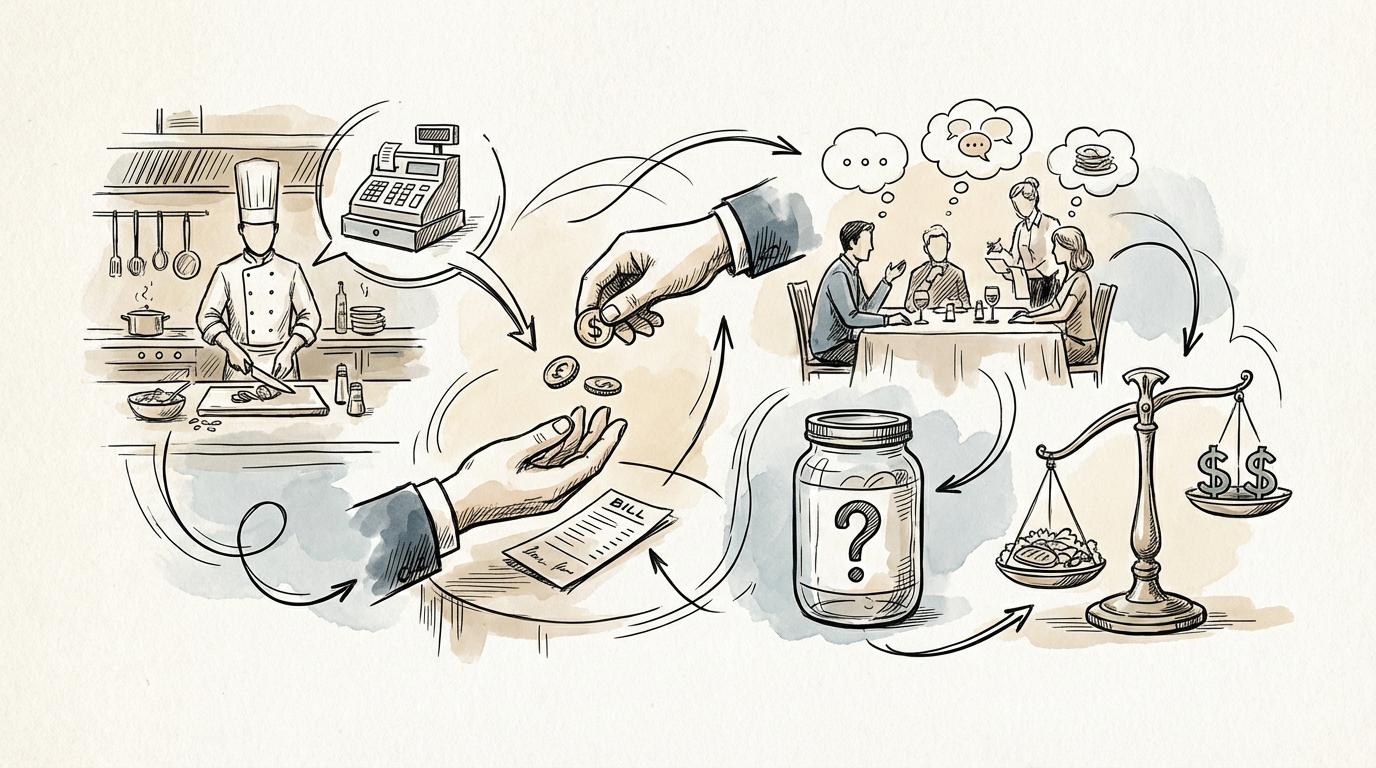
Let me be direct: the restaurant industry is broken, and it’s not broken because chefs can’t cook or servers can’t serve. It’s broken because the fundamental economics stopped making sense somewhere around 2015, and nobody’s found a sustainable fix yet. The National Restaurant Association reports that the US restaurant industry pulled in 1.1 trillion dollars in 2025, which sounds enormous until you understand what that actually translates to on the ground level. Most restaurants operate on profit margins between 3 and 9 percent. That’s not a typo. A single bad weekend, a surprise spike in food costs, or a kitchen fire can obliterate an entire year’s profit.

The Truth About Restaurant Economics: Why Your Favorite Place Is Struggling and What That Means for Your Plate

I’ve worked in enough restaurant kitchens to know exactly where money disappears. Labor costs run 28 to 35 percent of revenue for full-service restaurants. Rent for decent real estate in any major city has become absurd. A mid-level urban restaurant might pay 8 to 12 percent of gross revenue just for the space. Then add utilities, insurance, equipment maintenance, waste disposal, and the constant need to replace worn-out smallwares. By the time you’ve paid your suppliers and covered your overhead, the margin left for actual profit is paper-thin. This is why a restaurant that seems perpetually busy can still close suddenly. You’re not seeing the full picture from your table.

The Tipping Spiral Nobody Wanted

Here’s where things get uncomfortable, and I’m going to say what most restaurant industry people won’t: tipping culture in America has become a psychological burden on both sides of the equation. Seventy-five percent of customers now report feeling pressured when the card reader slides across the counter with suggested tip amounts ranging from 18 to 25 percent. That’s not gratitude anymore. That’s coercion dressed up in politeness. I’ve worked shifts where I made decent money from tips, and shifts where I made nothing. The unpredictability created stress that affected the quality of service I could deliver, because I was anxious about money instead of focused on the table.

The real problem is that restaurants have offloaded wage responsibility onto customers while simultaneously facing wage pressures that demand higher base pay. A server in New York or San Francisco needs to make enough money to afford rent in that city, but restaurants can’t sustainably raise base wages when margins sit at single digits. So the industry invented a workaround: expand tipping culture into every interaction. Baristas, bakery workers, grab-and-go counters. It’s metastasized into something that makes nobody happy. Customers feel nickeled and dimed. Workers still don’t make stable money. Owners can’t profitably raise wages. Everyone loses except the tip-shuffling algorithms.

Service-Included Pricing and the Honest Conversation

The tide is shifting in major coastal cities, and frankly, it’s about time. More restaurants are experimenting with service-included pricing models, where gratuity is built into menu prices and paid directly to staff instead of collected at checkout. This sounds simple, but it’s actually a radical restructuring of how restaurants operate. At its best, it’s honest. You see the full price. Staff gets reliable income. No psychological warfare at the payment terminal. Eater food culture has covered this shift extensively, and the data shows customers respond well when they understand the model upfront.

But here’s the catch: it requires restaurants to be transparent about their margins, and it requires consumers to accept higher menu prices. Both things create friction. Restaurants worry that sticker shock will drive customers away. Diners who’ve spent years conditioning themselves to ignore menu prices and add tip at the end suddenly see the true cost of dining out, and it’s jarring. Yet this is actually how most of the world operates outside America. You pay the price on the menu. Staff gets a living wage from the restaurant. Everyone understands the transaction. It’s not perfect, but it’s honest, and honesty is in short supply in this industry right now.

The Delivery Platform Squeeze and Ghost Kitchen Collapse

Food delivery platforms have systematically gutted restaurant economics in ways that most casual diners don’t fully appreciate. Third-party aggregators like DoorDash, Uber Eats, and Grubhub take between 25 and 35 percent commission on each order. That’s not a minor operational expense. On a typical $40 entree order, you’re losing 10 to 14 dollars before your food costs are even factored in. For thin-margin restaurants, that’s the difference between profit and loss on that transaction. Restaurants accepted these terms because they were desperate for incremental revenue during the pandemic. Now, five years later, they’re trapped. They can’t remove themselves from the platforms without losing visibility, but the commissions are unsustainable.

The ghost kitchen boom that exploded in 2020 and 2021 was supposed to solve this. Low-overhead kitchens with no front-of-house, no dining room, pure delivery focus. By 2025, most of those operations have either failed or consolidated. Why? Because the delivery economics never actually changed. You still had to pay ruinous commissions. You still had to deliver food that degraded in quality during transport. You had to compete with thousands of other ghost kitchens. The National Restaurant Association has watched this space carefully, and the data shows that the ghost kitchen concept works only for a narrow subset of high-volume, low-complexity operations. For everyone else, it was a dead end. Restaurants learned that streaming through third-party platforms doesn’t replace the real business of feeding people in your own space.

What This Means for You as a Customer

So where does this leave you when you’re deciding where to eat? Honestly, it’s complicated. Supporting restaurants matters, but not blindly. Visit places where you can see care in execution, where the owner or head chef is actually present and invested. These places are fighting the numbers every single day. They’ve chosen to stay independent when consolidation would be easier. Ask questions about service-included pricing if you see it. Understand that a restaurant charging what seems like high prices might simply be practicing honesty about their costs. Avoid the places that are just playing the efficiency game, ordering from Sysco, reheating, and praying.

Tip appropriately when you encounter actual service that’s thoughtful and skilled. Don’t tip the iPad screen at a grab-and-go counter just because a prompt appeared. Vote with your money for the business models that make sense to you. If you prefer transparency, patronize restaurants using service-included pricing. If you want the traditional tipping model, that’s fine too, but go in with eyes open about what you’re supporting. Your choices as a customer do shape where this industry goes, even when it doesn’t feel that way.

What’s your breaking point? Where do you draw the line between supporting a restaurant and accepting unsustainable customer economics? Drop your thoughts in the comments. I’m genuinely curious how diners are thinking about this moment in food culture.

Tepache Is Having Its Mainstream Moment—And the Craft Beverage Industry Is Cashing In

The Numbers Tell a Story of Explosive Growth

If you’ve been paying attention to the beverage cooler at your local Whole Foods or Target lately, you’ve probably noticed bottles of tepache sitting alongside kombucha and other fermented drinks. This isn’t accident or novelty. The numbers backing this shift are staggering. De La Calle, the Los Angeles-based brand leading the charge, reported a 210% revenue increase in 2025 and expanded into 18,000 retail locations across the country. That’s not gradual market penetration. That’s a category arriving.

The broader fermented beverage category tells an even more compelling story. Data from the latest Nielsen IQ report shows that drinks in this space—tepache, jun kombucha, water kefir, and similar products—grew 47% year-over-year to reach $890 million in U.S. retail sales by the end of 2025. That growth rate dwarfs nearly every other segment in the beverage market. Something genuinely interesting is happening here, and major players are taking notice. Constellation Brands, the corporation behind Corona and Robert Mondavi, acquired a minority stake in De La Calle in January 2026, valuing the company at approximately $85 million. That’s serious institutional capital backing a beverage that most American consumers couldn’t have identified five years ago.

Understanding What Tepache Actually Is

Before diving deeper into the business side, let’s talk about what tepache is and why it matters from a technical standpoint. Tepache is a fermented beverage with roots in pre-Hispanic Mexico. It’s made by fermenting brown sugar, corn, dried fruit, and spices with wild yeasts and bacteria. The process creates a drink that’s lightly effervescent, mildly sweet, and slightly alcoholic, typically ranging from 1 to 4% ABV depending on fermentation time and conditions. It’s neither quite beer nor quite kombucha, but occupies its own interesting middle ground.

The fermentation process is where things get scientifically compelling. Unlike kombucha, which relies on a SCOBY (symbiotic culture of bacteria and yeast) to drive fermentation, tepache traditionally uses environmental microbes and carefully selected starter cultures. The main players are Saccharomyces cerevisiae (a common brewing yeast) and various lactobacillus species that produce organic acids. These microorganisms consume the sugar over days or weeks, creating carbonation as a byproduct of their metabolic activity. The result is a beverage with natural probiotics, organic acids, and complex flavor compounds that come from the specific fruit and spice combinations used. This isn’t just fermented sugar water. It’s a living product with real nutritional complexity.

The Certification Boom and What It Means

One telling indicator of tepache’s trajectory is the surge in organic certification applications. The USDA received 38% more applications for organic certification of pineapple-based fermented beverages in fiscal year 2025 compared to the previous year. That statistic might seem niche, but it reflects something crucial: the industry is professionalizing. Brands aren’t just making tepache in small batches anymore. They’re building systems around scale, testing protocols, and compliance frameworks.

This certification push matters because it signals consumer sophistication and brand accountability. Organic certification requires rigorous documentation of ingredients, fermentation conditions, and finished product testing. When you’re seeing pineapple-based fermented beverage applications up 38% year-over-year, you’re watching small producers graduate to serious manufacturing. They’re investing in lab testing, building supply chains for certified organic inputs, and committing to transparent practices. That’s the infrastructure required to sustain growth beyond the initial enthusiasm phase.

Tepache Enters Fine Dining—A Turning Point

Here’s a moment worth pausing on. The 2025 Michelin Guide for Mexico City noted tepache on the pairing menus of at least 11 recognized restaurants. Eleven. This is tepache’s formal entry into structured fine dining beverage programs. That’s not marketing hype. That’s chefs with culinary credentials treating tepache seriously enough to pair it with multiple courses in restaurants operating at the highest level of professional execution.

I’ve spent enough time in fine dining kitchens to know that beverage inclusion at that level requires real conviction. These aren’t impulse decisions. Chefs taste tepache critically, evaluate how it performs alongside their food, and consider whether it contributes meaningfully to the dining experience. The fact that 11 Michelin-recognized establishments reached that conclusion suggests tepache has technical merit beyond novelty. The slight acidity, the mild sweetness, the subtle funk from fermentation—these elements can genuinely enhance a meal if handled correctly. It tells the broader industry that tepache deserves a seat at the sophisticated beverage table, not just the trendy snack shelf.

The Craft Beverage Industry’s Calculated Bet

What we’re watching unfold is a familiar industry pattern: a traditional product from a specific cultural region gains traction among a certain consumer segment, larger corporations recognize the growth potential, and capital flows in to scale and standardize what was previously artisanal or niche. The difference here is that tepache has several advantages that earlier food trends didn’t possess. It’s genuinely better for you than sugary sodas or high-calorie energy drinks. It contains probiotics and organic acids with documented health benefits. It tastes interesting in a way that doesn’t require an acquired palate. And it has deep cultural roots that lend authenticity and story.

De La Calle’s presence in 18,000 retail locations represents something specific: mainstream acceptance at scale. De La Calle Official Brand Story documents a brand that started with family recipes and grew into a professional operation capable of supplying major retailers. That trajectory matters because it shows that scaling doesn’t require sacrificing the technical integrity of the product. Well-made tepache produced at 10,000 units per day should taste meaningfully similar to hand-fermented batches, though the real test is whether major brands maintain that commitment as growth accelerates.

The fermented beverage category’s 47% annual growth to $890 million suggests we’re still in the early expansion phase. The question isn’t whether tepache will remain mainstream—that’s already happened. The question is whether the quality stays consistent as production scales, whether producers maintain their commitment to fermentation integrity, and whether consumers develop the palate to differentiate between well-made tepache and mediocre versions. That’s where the real story will play out. Nielsen IQ Fermented Beverage Category Report confirms the market exists. Now we’ll see who does right by it.