The Brown Butter Revolution Nobody Talks About
Walk into any home kitchen and watch someone make chocolate chip cookies. Nine times out of ten, they’re creaming room temperature butter with sugar, following some recipe their grandmother swore by. The result? Flat, greasy disappointments that taste like sweet cardboard. Here’s what those recipes won’t tell you: the Maillard reaction that creates brown butter is your secret weapon, and most home bakers are leaving it on the table.
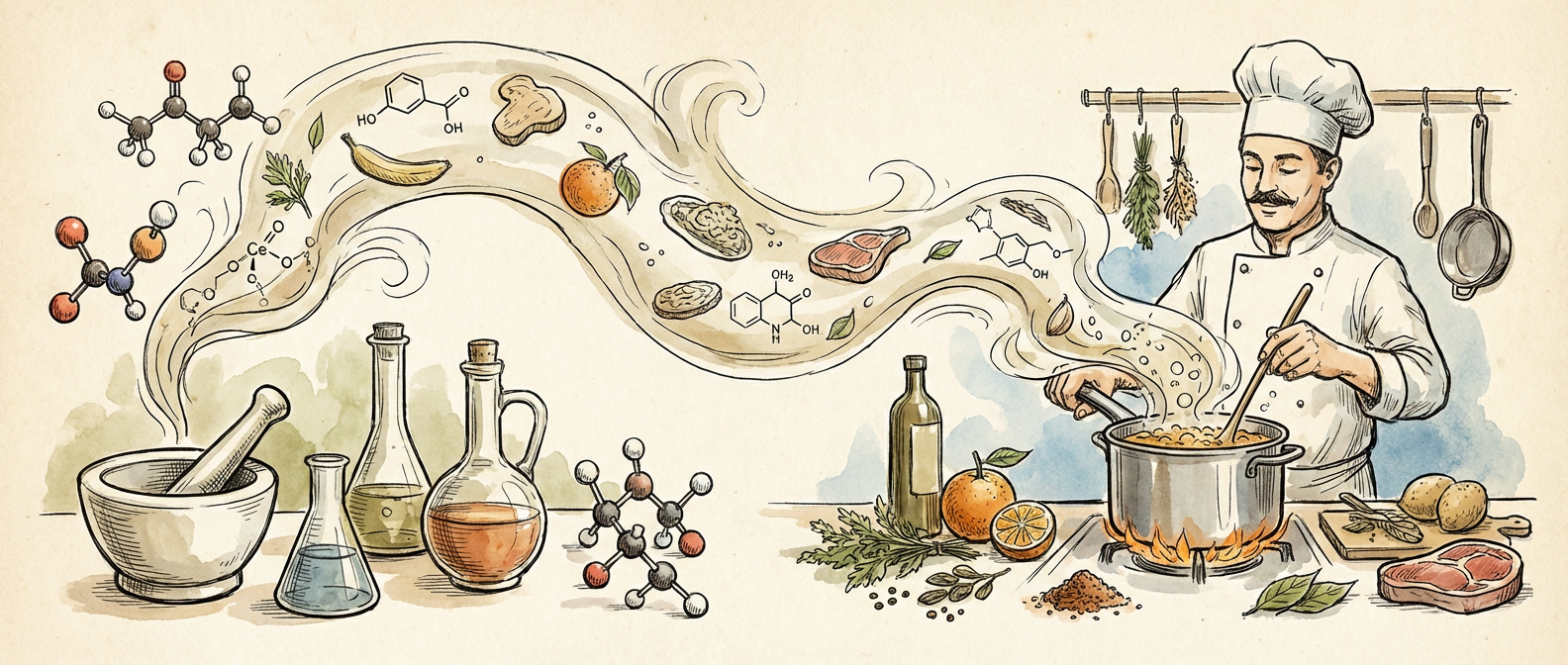
Brown butter isn’t just regular butter that got a tan. When you heat butter to 150°C, the milk proteins break down and recombine into hundreds of new flavor compounds. Lactones create nutty notes. Furanones add caramel depth. Pyrazines bring in that toasted complexity that makes people close their eyes and smile. I’ve tested this side by side in professional kitchens dozens of times, and the difference isn’t subtle—it’s transformative.
The technique is straightforward but requires attention. Melt your butter in a light-colored pan so you can see the color change. It will foam, settle, then foam again as the water evaporates. When the foam subsides and the butter turns golden amber with brown bits at the bottom, you’re done. Let it cool completely, this is where people mess up, or you’ll end up with cookie pancakes instead of the chewy texture you want.

Sugar Science That Actually Matters
Every cookie recipe calls for a mix of white and brown sugar, but most don’t explain why this ratio determines your cookie’s entire personality. Brown sugar contains molasses, which is hygroscopic—it pulls moisture from the air and holds onto it. More brown sugar means chewier cookies. More white sugar means crisper edges. This isn’t opinion; it’s chemistry.
But here’s where most recipes go wrong: they treat all brown sugars the same. Light brown sugar is 3.5% molasses. Dark brown sugar is 6.5% molasses. That 3% difference translates to noticeably different textures and flavors. I use a 60/40 ratio of brown to white sugar, always dark brown, because I want cookies with substance and complexity, not sugar cookies masquerading as chocolate chip.
Temperature matters just as much as ratios. Room temperature ingredients cream properly and create the air pockets that give cookies their structure. Cold ingredients create dense, tough cookies. Warm ingredients create spreading disasters. This is basic emulsion science, yet I’ve watched countless home bakers ignore it because they’re impatient. Trust me, it’s worth the wait.
The Flour Trap That Ruins Everything
Most home bakers measure flour wrong, and it’s killing their cookies. Scooping directly from the bag compacts the flour, giving you 20-30% more than the recipe intends. The result? Dry, crumbly cookies that taste like chalk. Professional bakers weigh ingredients for a reason: 130 grams of all-purpose flour per cup, every single time.
But even proper measurement won’t save you if you’re using the wrong flour. All-purpose flour varies dramatically between brands. King Arthur sits at 11.7% protein. Gold Medal runs 10.5%. That 1.2% difference creates different amounts of gluten development, which directly affects texture. Higher protein means chewier cookies. Lower protein means more tender results. Know your flour’s protein content, or you’re baking blind.
The mixing method seals the deal. Overmixing develops too much gluten, creating tough cookies. Undermixing leaves flour pockets that taste raw and gritty. Mix just until the flour disappears, no longer. Professional bakers understand this instinctively because they’ve seen the failures that come from ignoring it. I learned this the hard way through dozens of rubbery batches.
Chocolate Standards Worth Fighting For
Standard chocolate chips are an insult to the concept of chocolate. They’re engineered to hold their shape, which means they’re loaded with stabilizers that mute flavor and create waxy textures. Real chocolate melts at body temperature and creates puddles of richness throughout your cookie. That’s what you want.
I use 70% dark chocolate, chopped into irregular chunks. The uneven pieces create varied textures—some melt completely, others hold their shape, creating contrast in every bite. The higher cacao content provides bitter notes that balance the cookie’s sweetness instead of adding more sugar to an already sweet product.
Size matters too. Those tiny chips get lost in the dough. I want chocolate pieces large enough to matter, roughly the size of a kidney bean. They should be the star, not background noise. When someone bites into my cookies, they should get distinct chocolate flavor, not just sweet brown specks. Make your chocolate count.
Temperature Control Separates Professionals from Amateurs
Baking temperature determines everything about your cookie’s final character, yet most recipes treat it as an afterthought. 375°F creates cookies that spread too much before the edges set. 325°F takes too long and dries out the centers. 350°F is the sweet spot where edges set quickly enough to contain spread while centers stay soft and chewy.
But oven temperature is just the starting point. Cookie dough temperature when it hits the oven matters just as much. I chill my dough for at least 30 minutes, sometimes overnight. Cold dough spreads less because the butter takes longer to melt, giving the flour time to set the structure first. This creates cookies with defined edges instead of shapeless blobs.
Doneness isn’t about time, it’s about visual cues. The edges should be set and lightly golden. The centers should look slightly underbaked, still soft and shiny. They’ll continue cooking on the hot pan after you pull them from the oven. This carryover cooking prevents the dry, overbaked texture that plagues most home-baked cookies.
These aren’t just techniques, they’re the difference between cookies people politely eat and cookies people remember. Every element builds on the others to create something that transcends the sum of its parts. Master these fundamentals, and you’ll understand why some cookies inspire obsession while others end up forgotten in containers. What’s your biggest cookie frustration? I’d love to help you troubleshoot it.