The Numbers Behind the Napkins
The American restaurant industry generated over one trillion dollars in revenue last year alone. But here’s what blows my mind: despite feeding millions daily and employing massive networks of workers, restaurants run on margins so thin they’d make a paper manufacturer jealous. We’re talking three to nine percent across all categories.
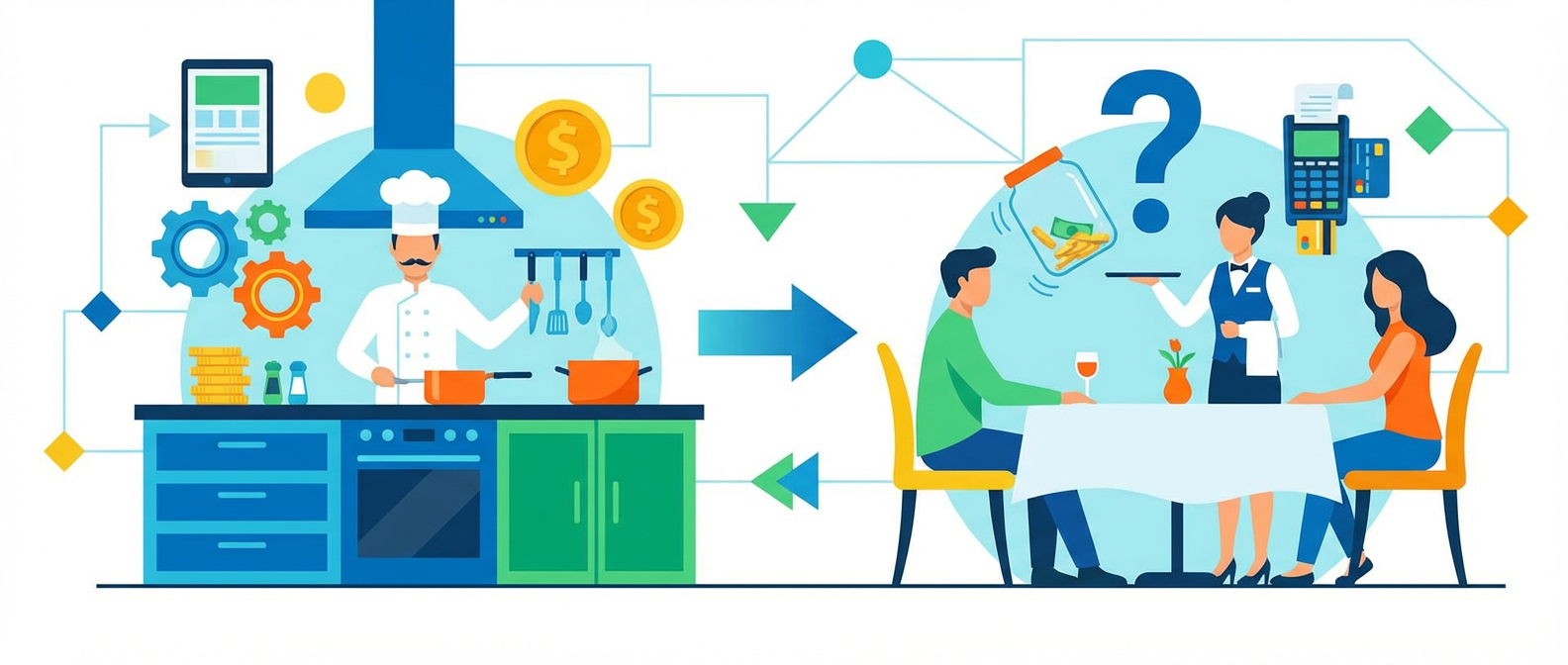
This reality creates a fragile ecosystem where every penny counts. Retail businesses might enjoy margins of twenty percent or higher, but restaurants juggle food costs, labor expenses, and rent pressures while trying to maintain quality. The National Restaurant Association tracks how these razor-thin margins force operators into impossible choices about pricing, staffing, and staying afloat.
The industry’s growth reflects how much our relationship with food has changed. What used to be about simple sustenance now doubles as entertainment, social currency, and cultural expression. But this transformation creates economic tensions that show up in every transaction, from kitchen prep to your final bill.
The Cultural Weight of the Tip Jar
Tipping culture in America goes way deeper than just money changing hands. We borrowed it from European aristocratic traditions, but it evolved into something uniquely American, woven into our social fabric. Now survey data shows three-quarters of customers feel pressured when they see those tipping prompts. Researchers actually have a name for it: “tipping fatigue.”
This fatigue isn’t just about annoyance. It signals a real shift in how Americans think about fairness, transparency, and what we owe each other when dining out. Digital payment systems made it worse by turning what used to be a private decision into a public performance. Now we face tipping screens for coffee, takeout orders, pretty much everything beyond traditional table service.
The constant pressure to calculate appropriate tips turns fun experiences stressful. Diners tell researchers they feel uncertain about proper amounts, guilty about seeming cheap, and frustrated by unclear expectations. What should be simple transactions become awkward social negotiations that affect where and how often people eat out.
Service-Included: Learning from Global Traditions
Some forward-thinking restaurants in coastal cities are ditching tips entirely with service-included pricing models. They build service charges directly into menu prices, like they do across Europe, Australia, and parts of Asia. The transparency appeals to customers and gives workers stable income.
This shift runs deeper than economics though. These restaurants are importing cultural practices from societies where hospitality operates differently. In France or Japan, exceptional service is just professional standard, not something requiring extra payment. This challenges core American beliefs about motivation, fairness, and how service quality relates to money.
Early results are mixed. Many customers love the transparency and freedom from tipping anxiety, but others balk at higher menu prices even when total costs stay the same. Success often depends on clear communication about the change and education about global dining norms. Eater food culture reports suggest younger diners adapt more easily, while older customers sometimes see it as pretentious European nonsense.
Digital Disruption and the Commission Conundrum
Food delivery platforms created new economic pressures that complicate restaurant math even further. These digital middlemen take twenty-five to thirty-five percent of each order as commission, crushing establishments already running on minimal margins. It’s a fundamental shift in how restaurants reach customers and manage revenue.
Culturally, delivery platforms changed what restaurant dining even means. They separated food from atmosphere, service, and social experience that traditionally defined restaurant culture. This unbundling creates new realities where restaurants basically run multiple businesses: the traditional dine-in experience and the delivery-optimized kitchen.
The commission structure forces impossible choices. Restaurants can absorb costs and kill their already slim profits, raise delivery menu prices, or try pushing customers toward direct ordering systems. Each option carries risks and reflects bigger questions about restaurant culture’s future in an increasingly digital world.
The Ghost Kitchen Experiment and Cultural Evolution
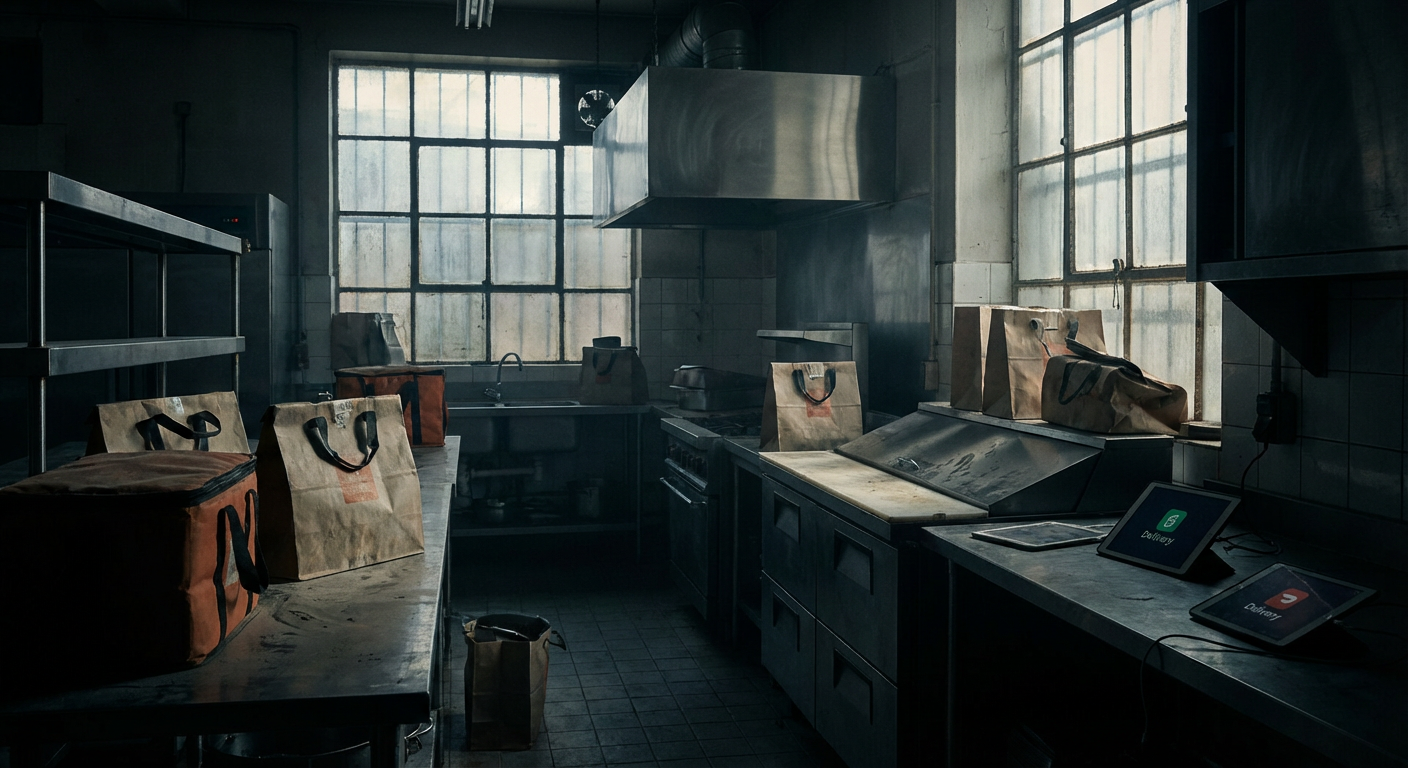
The pandemic sparked explosive growth in ghost kitchens, delivery-only operations that promised to revolutionize restaurant economics by cutting front-of-house costs and expensive real estate. These ventures attracted massive investment as entrepreneurs imagined a future where food production could be optimized purely for delivery efficiency without traditional dining’s cultural baggage.
But as pandemic restrictions lifted, the ghost kitchen boom crashed hard. This retreat reveals something important about human dining behavior that purely economic models missed. Even with convenience and often lower prices, consumers consistently prefer restaurants that offer complete cultural experiences rather than just food delivery.
The ghost kitchen experiment shows the limits of treating food service as purely transactional. These operations excel at satisfying hunger efficiently but struggle to replicate the social, aesthetic, and emotional elements that make dining memorable. This cultural dimension proves remarkably resistant to economic pressure, suggesting restaurants provide value beyond nutrition that customers willingly pay to preserve.
Restaurant economics and tipping culture keep evolving as operators, workers, and customers balance competing pressures of fairness, tradition, and financial survival. These changes reflect broader shifts in American work culture, social expectations, and our relationship with service industries. What emerges from this mess will probably reshape how we dine for decades.